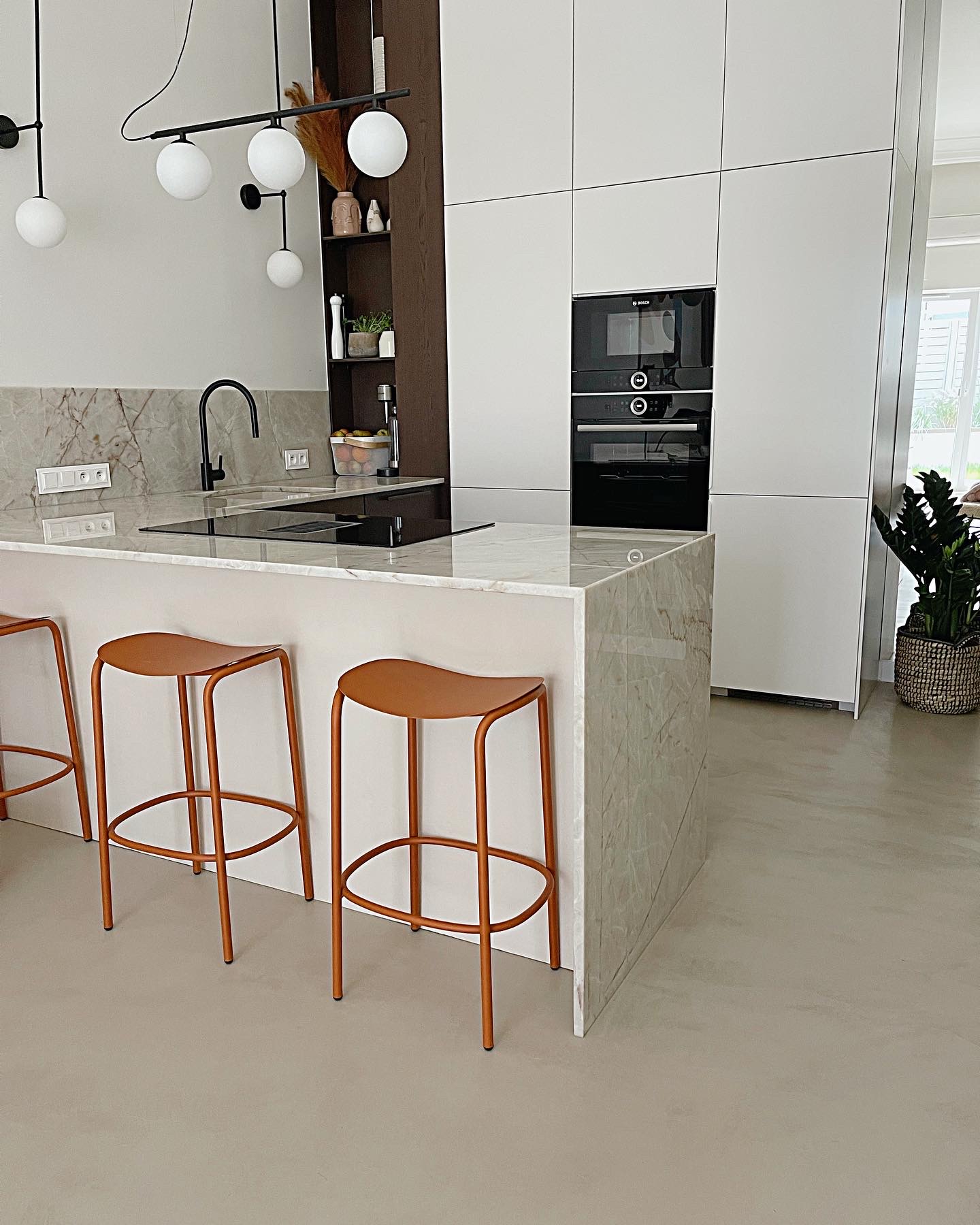

Thinking about upgrading your worktops without ripping out the whole kitchen? Microcement countertops deliver a sleek, seamless, high‑performance finish that works over many existing surfaces, but success hinges on smart planning: checking the substrate is sound, choosing the right colour, texture and sheen, budgeting accurately, and following a tight, professional workflow with the proper kit and safety in mind. In this guide, we’ll walk you through a practical pre‑install audit to avoid costly “no‑go” bases, help you build a cohesive design palette (from warm neutrals to bold statements), set realistic UK costs and a five‑day programme, specify only the tools and materials you actually need, and provide a clear, step‑by‑step application method for durable, water‑resistant results around sinks and hobs. You’ll also get straightforward aftercare and repair tips so your finish stays beautiful—because the right prep, process and protection are what make microcement worktops look bespoke and last.
Go to the store and buy microcement: https://www.festfloor.com/
Pre‑installation audit: is your kitchen ready for microcement?
Read this before you touch a trowel: a ruthless pre‑installation audit stops 90% of microcement failures. We’re talking substrate type, flatness (aim for ±2 mm over 2 m), moisture content (timber ≤12%), stability (zero flex), decent ventilation, and realistic heat/splash zones planning around hobs and sinks. Here’s the short, no‑nonsense checklist that pro installers actually use: 1) Identify substrate: laminate, plywood/OSB, natural stone, concrete, or tiled worktop. 2) Check flatness with a 2 m straightedge; skim/level where needed. 3) Test moisture: timber with a meter, concrete with RH or CM test. 4) Push‑test and walk‑test for movement; no bounce, no creak. 5) Degrease and abrade; kill silicone residues. 6) Confirm ventilation and dust control for curing. 7) Map heat/splash zones; specify high‑temp sealers and splashback returns. 8) Protect adjoining surfaces and set a clean staging area. Case study: a North London refurb looked perfect until we lifted one corner—swollen chipboard under a sink and loose tiles above the dishwasher. That’s your “no‑go” surface in a nutshell—if it moves, it fails.
Substrate check
| Substrate | Suitability | Prep note |
| Laminate | Yes, if sound | Degrease; abrade P80; solvent‑wipe |
| Plywood/OSB | Yes | Seal both sides if new; screw every 150 mm |
| Natural stone | Yes | Degrease; abrade; prime with epoxy |
| Concrete | Yes | Fill voids; grind; moisture test |
| Tiled worktop | Yes | Check adhesion; fill grout; prime with bonding slurry |
Go/no‑go decision: if you’ve got swollen boards, loose tiles, or any movement, stop and replace the base—microcement is thin and unforgiving. Quick reality check from a trade case study: a Bristol galley kitchen passed flatness and moisture, but the substrate flexed 1–2 mm at the dishwasher void; we re‑fixed with closer screw spacing and added a front rail. Result? Zero hairline cracks six months on and a rock‑solid, waterproof microcement worktop. Do the boring prep now, enjoy the seamless, durable countertop later.
Design decisions: colour, texture, edges and sheen for a seamless look
Get specific with your palette and finish choices so your microcement worktops don’t look like a compromise. Aim for a seamless kitchen look by locking down colour, texture, edge profiles and sheen together. Go matt if you want to hide glare and fingerprints; pick satin to boost depth and make colours feel richer under LEDs. Texture matters: fine texture delivers that poured-stone vibe and is easier to wipe clean; medium texture adds bite and visual movement without shouting. For edges, choose square for ultra-modern lines, a pencil edge for subtle softness, or a 3 mm chamfer to protect corners without killing the crisp aesthetic. Practical add-ons are where microcement quietly wins: a 50–100 mm upstand keeps splashes off paintwork, waterfall returns wrap the material down the side of cabinets, drainer grooves near the sink add utility, and flush hob/sink reveals give that custom, monolithic finish. Side note on lighting: matt hides glare; satin boosts depth—choose based on how strong your task lights are.
Palette ideas that actually work in real kitchens (with swatch codes you can give your finisher):
| Palette | Colour | Code | Undertone | Pairs with |
| Warm neutral | Soft Taupe | RAL 1019 | Warm grey‑beige | Oak, brass |
| Cool modern | Mist Grey | RAL 7047 | Blue‑grey | Black accents |
| Statement | Charcoal | RAL 7021 | Deep graphite | Light oak, white |
Case study mini-guides for fast decisions: 1) Warm neutral: RAL 1019 in matt, fine texture, pencil edge, with a 100 mm upstand and flush sink reveal. Works beautifully with oak fronts and brass taps—soft, timeless, zero glare under downlights. 2) Cool modern: RAL 7047 in satin, fine texture, square edge, add drainer grooves and a short 50 mm upstand. Pair with black hardware and a flush induction hob for a crisp, gallery feel. 3) Bold statement: RAL 7021 in satin, medium texture, 3 mm chamfer, run waterfall returns down the island sides. Contrast with light oak and white cabinetry; the sheen amplifies depth without looking plasticky. These combos nail microcement countertops that look expensive, perform hard, and feel deliberately designed—not accidental.
Cost and schedule: budgeting and timeline for microcement worktops
Budget smart, not blind. Here’s the blunt truth: microcement worktops aren’t “cheap DIY magic,” but they’re a seriously cost‑effective upgrade versus full stone replacement. If you want numbers, here they are—no fluff, no vague ranges dressed up as advice.
| Item | Typical £/m² | Notes |
| Materials (all coats + sealer) | 35–70 | Brand/finish dependent |
| Professional labour | 120–220 | Region/complexity |
| Surface prep | 15–60 | Repairs, levelling, tile fill |
| Upstands/waterfall | +20–50 | Per linear metre |
| Cut‑outs (sink/hob) | 40–120 each | Edges sealed |
| Travel/minimum charge | 150–350 | Fixed fee |
Real‑world snapshots: Case Study – London Zone 3: 7.2 m² laminate wrap, one hob + sink cut‑out, 100 mm upstand, standard cement grey. Total £1,820 (materials £430, labour £1,150, prep £120, travel/min charge £120). Case Study – Manchester: 5.1 m² over old tile, two cut‑outs, colour‑tinted finish, waterfall end. Total £1,690 (materials £360, labour £980, prep £140, extras £160, travel £50). These are not fantasy quotes; they reflect typical UK microcement pricing when the substrate is solid and access is decent.
Timeline you can actually plan around. A clean five‑day programme keeps momentum and quality tight:
- Day 1: prep, masking, primer/mesh
- Day 2: base coat 1 + sand
- Day 3: base coat 2 + sand; colour coat 1
- Day 4: colour coat 2 + burnish; first sealer
- Day 5: final sealer; de‑mask
Cure window: light use after 48–72 hours; full chemical resistance at 7 days. Pro tip: plan not to use the kitchen for 3–4 days—batch‑cook, grab a plug‑in hob, and park the kettle somewhere safe. That breathing space protects the finish and keeps edges crisp. If your installer says they can do it in two days, that’s not efficiency—it’s roulette with your worktop durability and stain resistance.
Kit list and safety: tools, materials and coverage rates
Keep it lean and pro-level: for microcement countertops you don’t need a van full of kit, just the right pieces that won’t fight you. Go with a slow‑speed mixing paddle for lump‑free blends, stainless steel trowels (180 mm for edges, 240 mm for runs), a corner trowel for tight junctions, and an orbital sander with 80/120/220/320 grit discs to finesse the surface. Keep dust down with a HEPA vacuum, roll on liquids using 4–5 mm microfibre rollers, and protect everything with decent masking. For the build-up, you’ll want epoxy/primer, alkali‑resistant mesh on joins, base and finish coats with the right pigments, then lock it with a 2‑part or PU sealer for stain and heat resistance. Store products between 15–25°C and keep them off cold floors; avoid freezing or you’ll wreck the chemistry. Safety isn’t a footnote: wear an FFP2 mask, nitrile gloves and goggles, run good ventilation with spark‑free extraction, and make the area a no‑go zone for kids and pets. Pro tip: mix small, consistent batches and keep your trowel immaculately clean—contamination shows up fast on high‑end microcement finishes.
Clever planning beats rework: measure like a hawk and match your coverage rates to the actual square meterage of your counters, splash returns and upstands. If you’re wrapping a waterfall edge or building integrated draining grooves, allow extra for edge build and sanding losses. For durability in kitchens—think stain resistance, heat resistance and easy maintenance—commit to a robust sealing system and tight curing windows. Keep the rhythm tight: prime, slurry, mesh strategic joints, two disciplined base coats, two fine finish coats, then a two‑stage seal. Don’t rush flashes—respect recoat times and sand lightly between coats with 220/320 grit for a silky, non‑telegraphing surface. Result: a seamless concrete look that laughs at spaghetti sauce and coffee.
Coverage quick‑ref: microcement kitchen workflow
| Product | Typical rate | Coats | Example area (6 m² L‑shaped counter + 1 m² upstand) | Estimated quantity |
| Primer / epoxy | 8–10 m²/L | 1 | 7 m² total | 0.8–0.9 L |
| Bonding slurry | 0.3–0.5 kg/m² | 1 | 7 m² total | 2.1–3.5 kg |
| Base coat | 1.0–1.5 kg/m²/coat | 2 | 7 m² total | 14–21 kg |
| Finish coat | 0.5–0.8 kg/m²/coat | 2 | 7 m² total | 7–11.2 kg |
| Sealer (PU / 2‑part) | 8–12 m²/L/coat | 2 | 7 m² total | 1.2–1.8 L |
Tool comparison for countertop work
| Tool | Best use | Why it matters | Real‑world pick |
| Slow‑speed mixer (300–500 rpm) | Blending microcement without air | Prevents pinholes and foaming | Collomix Xo 1 with paddle KR |
| Stainless trowels 180/240 mm | Edges, faces, tight control | Clean edges, less burnishing | Marshalltown SS 7 and 10 |
| Orbital sander 125 mm | Refining between coats | Flat, swirl‑free finish | Mirka DEROS 5650CV |
| HEPA vacuum | Dust control | Cleaner finish, safer lungs | Festool CTM 26 E |
Installation workflow: applying microcement to countertops step by step
Clean prep equals flawless finish, and on worktops that take daily abuse you don’t wing it. 1) Degrease with an alkaline cleaner; sand to key (P80–P120) and vacuum meticulously so nothing telegraphs. 2) Tape and mask like a pro; fully protect appliances and cabinets. 3) Roll primer or epoxy depending on substrate; embed fibreglass mesh over weak spots and joints to stop hairline crazing. 4) Base coat 1 at 0.8–1 mm; keep the trowel 15–30°; let it dry and sand 120 grit. 5) Base coat 2 at 0.6–0.8 mm; sand 180 grit and remove dust. 6) Colour coat 1 thin (0.3–0.5 mm), then a light burnish for that mineral movement. 7) Colour coat 2 to refine texture; feather edges and upstands for seamless transitions. 8) Detail edges, sinks, hobs; seal cut-outs with epoxy where moisture might sneak in. 9) Final burnish; sand 220–320 grit for a uniform, silky feel. 10) Seal with 2 thin coats, 30–60 minutes between; de‑nib 400 grit only if necessary. 11) Keep 15–25°C, RH <70%; zero water on the surface for 48 hours. 12) Remove masking and do a soft clean—no harsh stuff. Micro‑tips: work wet‑on‑tacky to hide joins, avoid over‑trowelling (you’ll drag fines and create burn marks), stick to mix ratios, and test a sample board so the colour and sheen don’t surprise you.
Quick decision point before you commit: do you want integrated drainer grooves (set 3–5 shallow passes in the final base), a flush hob recess with crisp epoxy‑sealed edges, or an undermount sink shadow gap at 2–3 mm for a sharp line and better water management? The call affects your edge detailing, your sealer strategy, and how you stage the cut‑outs. If you’re chasing a chef’s‑kitchen vibe, drainer grooves plus an undermount sink look surgical; for a sleek island, a flush hob keeps the slab uninterrupted and microcement countertop texture front and centre.
| Option | Look & Use | Typical Specs | Pros | Considerations |
| Integrated drainer grooves | Directional, pro‑kitchen vibe; channels water to sink | 4–6 grooves, 3–5 mm deep, 6–10 mm wide, 120–200 mm long | Functional drainage; highlights microcement texture | Needs precise routing; reseal grooves thoroughly |
| Flush hob recess | Ultra‑sleek, uninterrupted plane | Rebate 2–4 mm; epoxy‑sealed perimeter; 2–3 mm heat break | Easy wipe‑down; premium look | Thermal management critical; follow hob maker’s clearances |
| Undermount sink + shadow gap | Crisp 2–3 mm reveal; modern detailing | Epoxy seal cut‑edge; radius 1–2 mm on lip for durability | Clean water fall‑off; no silicone-on-show | Template accuracy vital; edge takes daily wear—use hard sealer |
Aftercare and repairs: protecting your microcement surfaces
Microcement worktops are tough, but they’re not invincible. Treat them like a premium finish and they’ll pay you back with years of good looks. Daily, stick to a pH‑neutral cleaner and a soft cloth; no harsh chemicals, no scouring pads. Weekly, give a microfibre deep wipe and steer clear of bleach or ammonia. For heat, use trivets for pans over 150°C—don’t drop red‑hot cookware straight onto the surface. Tiny scratches? Spot sand with 320–400 grit, then touch up the sealer. Keep the finish protected with a reseal every 12–24 months—in a busy kitchen, do it sooner. Here’s the brutal stain reality: Coffee left 60 minutes may leave a light shadow—clean and top up sealer if needed. Red wine for 2 hours can tint—use an oxidative cleaner, then reseal the patch. Olive oil for 24 hours creates a dark patch—degrease, micro‑sand, reseal. Lemon juice after 30 minutes risks etching—neutralise and reseal if dulled. Quick fixes: dull patches mean it’s under‑sealed (add a coat), microcracks signal movement (stabilise the substrate; re‑mesh next time), and water rings come from early exposure (let it cure fully, then polish and reseal).
Want the finish to stay show‑home sharp? Set a calendar reminder for resealing, keep a bottle of neutral cleaner under the sink, and stash felt pads under appliance feet. This is the low‑effort, high‑impact routine that keeps microcement countertops resistant to stains, heat, and everyday wear, without babying them. Conclusion: protect the sealer, control the heat, fix small marks fast—do that, and your microcement kitchen worktops will keep that crisp, modern look for the long haul.